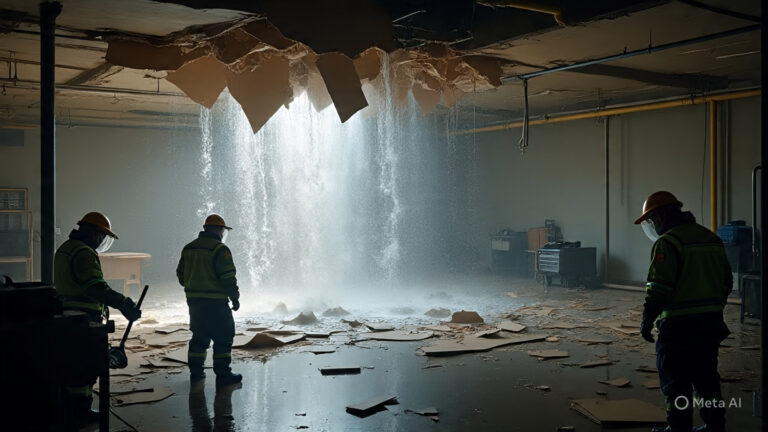
The Septic System: An Underground Sanctuary
A septic tank is a crucial component of the broader septic system that serves as the cornerstone of waste management in homes not connected to municipal sewer lines. Nestled underground, often in homeowners’ backyards, this ingenious device is typically constructed from concrete, fiberglass, or plastic.
It operates as a personal sewage treatment facility. At its core, the function of a septic tank is to hold wastewater long enough for solids to settle down into sludge and oil and grease to ascend as scum.
Subsequently, only the liquid wastewater is discharged into the drain field. The remaining solid waste undergoes further decomposition thanks to bacterial action within this watertight box.
This seemingly simple yet effective operation ensures our homes are free from sewage overflows and environmental contamination inflicted by untreated human waste. In essence, a septic tank plays an indispensable role in maintaining public health and preserving ecological balance.
Maintenance: Key to Septic Tank Longevity
Given its vital role in household sanitation and environmental protection, regular maintenance of the septic tank is non-negotiable. Neglecting this can lead to serious problems such as foul odors around your property due to methane gas emissions from untreated waste, slow drains and worst-case scenario – raw sewage back-up in your home or surfacing over your drainfield.
Mechanical parts can fail and solid build-ups may clog pipes causing system malfunctions if left unchecked for extended periods. Unfortunately for many homeowners, warning signs often go unnoticed until it’s too late with costly consequences – either complete replacement of the system or expensive repairs at best.
Moreover, poorly maintained septic tanks pose significant risks to both public health due to potential groundwater contamination with harmful bacteria or nitrates and environmental degradation. Therefore, a well-maintained septic tank is not just about avoiding unpleasant and expensive consequences for the homeowner but also about fulfilling our responsibilities as environmentally conscious citizens.
Understanding Your Septic Tank
Sublime Symphony of Septic Systems: How a Septic Tank Works
The functioning of a septic tank can be envisaged as an intricate ballet of biology and physics. The entrancing dance begins with the inflow from the house, which includes waste water from bathrooms, kitchens, and laundry rooms.
This effluent enters the septic tank through an inlet pipe. In the next act of this mesmerizing performance, the separation process takes place.
The contents of the wastewater segregate into three layers: solids settle at the bottom forming sludge; fats and oils float to the top comprising scum; while water, forming effluent, remains in between. Over time, anaerobic bacteria break down organic material in sludge and scum reducing their volume.
In its final movement, liquid from this central layer moves out to a drain field through an outlet pipe. Here it percolates gradually into soil which acts as natural filtration system removing harmful pathogens before they reach groundwater.
Grim Requiem: Common Problems with Septic Tanks
Now that we have gleaned an understanding of how a septic tank operates harmoniously when properly maintained, let’s turn our attention to potential pitfalls that disrupt this balance. A common issue faced by homeowners is overflows and backups.
Overflows are often precipitated by overuse or misuse. Excessive water use can upset equilibrium inside tank preventing adequate settling or decomposition time for waste materials while improper disposal practices – notably flushing non-biodegradable items or harmful chemicals – impede bacterial action leading to buildup or blockages.
Backup is another manifestation where undigested waste or excess water reverses course back into home plumbing system causing unpleasant surges in sinks or toilets. This usually indicates a full or failing tank that needs immediate attention.
Collateral Chaos: Damage to the System
The repercussions of overlooking these signs or neglecting regular septic tank maintenance can lead to severe system damage. Persistent overflows may saturate drain field prematurely, impairing its ability to filter effluent effectively. This not only risks contaminating groundwater but also reduces lifespan of your drain field – an expensive component to replace.
Moreover, solids escaping undigested from the tank can clog drain field lines bringing operation to a standstill. Overtime, deterioration from chemical corrosion or physical stress (like heavy vehicles driving over the tank) can result in leaks or cracks in the system causing environmental harm and posing health hazards.
In extreme cases, neglected septic tanks may collapse entirely leading to catastrophic failure and necessitating costly repairs or full replacement. Therefore, understanding these potential problems and their causes is paramount for proactive septic system management.
The Need for Pumping Your Septic Tank
Securing Sustainability through Septic System Pumping
The process of pumping plays a pivotal role in the preservation and performance of your septic system. It primarily acts as a preventive measure, effectively removing the solidified and semi-solid waste that accumulates over time in your tank.
This accumulation, if left unattended, can ultimately lead to system inefficiency or even failure. Pumping ensures that the different compartments within your septic tank maintain their capacity to function as intended.
It aids in reducing the risk of solids making their way into your drain field—an event which can cause significant damage requiring costly repairs. Moreover, regular pumping allows for inspection opportunities wherein potential issues can be identified and addressed before they escalate into major problems.
Furthermore, this procedure assists in maintaining an optimal bacterial balance within your tank. Despite being largely associated with decomposition, these bacteria also serve as agents of digestion—breaking down solids and preventing excessive build-up.
Repercussions: The High Price Paid for Neglecting Regular Pumping
Neglecting regular septic tank pumping carries with it severe consequences that extend well beyond mere inconvenience. The most immediate implications involve functional disruption such as slow drainage or sewage back-ups into your home—both clear indicators of an overburdened septic system.
In more advanced stages, neglect may lead to a complete system failure where untreated wastewater surfaces on the ground above or around the drain field—a scenario blatantly hazardous to public health due to potential exposure to harmful pathogens and contaminants. On an environmental perspective, excessive sewage leakage may result in groundwater contamination which not only poses a threat to any nearby water sources but also disrupts local ecosystems by fostering algal blooms that deplete oxygen levels detrimentally affecting aquatic life.
From a financial standpoint, these issues translate into substantial outlays required for repair or replacement. When contrasted with the relatively minimal cost of regular pumping, it becomes abundantly clear that an ounce of prevention is indeed worth a pound of cure.
Determining How Often to Pump Your Septic Tank
The Art and Science Behind Septic System Maintenance
Determining the frequency at which to pump your septic tank can be a complex task. It requires an understanding of the interplay between various factors, each contributing its own influence on the overall maintenance schedule.
Factors Affecting Frequency of Pumping
Size of the tank
The size of your septic tank holds significant sway over how often it needs to be pumped. Larger tanks possess a greater capacity for storing solid waste, pushing back the need for frequent pumping. Conversely, smaller tanks fill up more rapidly and hence require more regular servicing.
A standard-size home with three or four bedrooms usually accommodates a 1,000 to 1,500-gallon tank. However, if you are uncertain about your tank’s size, you may consult with a septic system professional or refer to your home’s records for accurate information.
Number of people in the household
The number of individuals residing within your home also significantly impacts how quickly your septic tank fills up. More people equate to higher waste generation—both solid and liquid—which expedites the need for pumping services.
A single individual living alone will fill their septic system at a far slower rate than a family composed of six members. Furthermore, changes in household occupancy—such as children leaving for college or extended family moving in—should prompt an evaluation of your current pumping schedule.
Amount and type of waste generated
Every type of waste that goes down your drains—from toilets to garbage disposals—affects how frequently you should pump out your septic system. Households generating high amounts of non-biodegradable waste may necessitate additional pumping sessions as these materials do not decompose and thus occupy tank space.
In addition, certain substances may disrupt the bacterial balance within your tank, hindering organic matter’s breakdown. This imbalance can lead to solids accumulation and necessitate more frequent pumping.
Local regulations or guidelines
Local regulations or guidelines often dictate the minimum frequency for septic tank pumping. These rules aim to prevent groundwater contamination and other environmental impacts from failing septic systems. It’s crucial to familiarize yourself with these local ordinances to ensure compliance with community health standards.
General Guidelines for Pumping Frequency
While specific pumping schedules should be personalized based on unique circumstances, general guidelines exist as a starting point. Most experts agree that a household septic tank should be pumped every three to five years. However, tanks servicing large families or receiving substantial waste may require more frequent service—potentially as often as annually.
Remember that these are simply guidelines and individual requirements may deviate significantly based on the factors discussed above. For accurate assessment of your septic system’s needs, consult with a qualified septic system professional.
Case Studies: Real-life Scenarios on Septic Tank Pumping Frequencies
The Minimalist Household: Small Family, Minimal Waste
In a household comprising of two adults and one child, the septic tank pumping frequency may differ considerably from larger families or industrial users. This small family unit practices minimalism, resulting in reduced waste generation. They strictly adhere to best practices for septic system use; avoiding non-biodegradable items and chemicals that could potentially disturb the tank’s equilibrium.
Consequently, their septic system requires fewer pump-outs. The normal functioning of their 1,000-gallon septic tank necessitates pumping approximately every three to five years.
This timeframe is influenced by factors such as water usage patterns and the volume of solid waste entering the system. Regular inspections are mandatory to ensure optimal performance between pumpings and to identify any potential issues early.
Suppose this family expands or changes their habits significantly; in that case, they may need to revise this schedule accordingly. The rule of thumb remains: when in doubt about your septic tank’s status, seek professional advice.
The Large Tribe: High Occupancy, High Waste
Consider an opposite scenario — a bustling household with six members generates a significantly higher volume of wastewater and solid waste daily. Greater use triggers more frequent pumping requirements; neglecting this could lead swiftly to system failure. A septic tank serving such a large household might require annual servicing due to the heightened rate at which solids accumulate within its confines.
Using a larger-sized tank can alleviate some stress on the system by accommodating more waste before reaching capacity but doesn’t negate regular maintenance’s requirement. Proper disposal practices become even more imperative in large households like these because irresponsible behavior towards waste disposal can drastically shorten the time between necessary pumpings or cause damage requiring costly repairs.
The Getaway Haven: Infrequent Usage in Vacation Homes
Vacation homes present a unique situation for septic system maintenance. Depending on the home’s occupancy throughout the year, these systems may see intense use for brief periods, punctuated by long stretches of inactivity.
This sporadic usage pattern can impact the bacteria population within the tank, affecting its ability to break down waste effectively. Despite significantly less use compared to primary residences, vacation homes cannot afford to overlook septic tank maintenance.
Owners should plan for a professional inspection at least every three years. A well-maintained system can usually go around five years between pumpings given infrequent use, but this heavily depends on usage intensity during occupied periods.
Each of these case studies underscores the importance of adjusting pumping frequency according to specific household circumstances and usage patterns. The need for vigilance and regular maintenance remains constant across all scenarios.
Indications Prompting Expedited Septic Tank Pumping
The Inconvenient Reality of Slow Drains
One of the most salient manifestations of a septic system crying out for attention is the manifestation of slow drains throughout your abode. It’s not just one isolated sink or bathtub that’s sluggishly draining, it’s persistent across multiple fixtures and rooms.
This symptom is often erroneous attributed to mere plumbing issues but could be a glaring indication that your septic tank is approaching its capacity. A septic tank operates by permitting wastewater from your domicile to flow into the tank where solid waste settles at the bottom, undergoing bacteria-driven decomposition over time.
When functioning properly, this process allows liquid waste to exit towards the drain field. However, when your tank reaches saturation point due to infrequent pumping or excessive usage, this fluid migration slows down significantly, resulting in slower drains throughout your home.
It is crucial not to overlook this seemingly benign issue as it may exacerbate into more severe complications if left unaddressed. Therefore, slow drains warrant urgent professional inspection and potentially immediate pumping even if it precedes your scheduled maintenance plan.
The Disturbing Presence of Foul Odors
A particularly unpleasant harbinger signaling an overfilled septic tank is noticeable foul odors permeating around your property – especially near the drain field or septic tank location. These repugnant smells are indicative of waste material not being efficiently processed and moved out of the system as designed. Usually, this malodorous symptom indicates that wastewater isn’t exiting appropriately into the drain field due to an excess accumulation in the tank hindering regular flow.
As a result, these foul-smelling gases often have no other avenue but to escape back up through household plumbing or directly from the overloaded tank itself. The emergence of these offensive odors is an urgent call to action.
Failure to expedite septic tank pumping could lead to more severe issues like environmental contamination, posing potential health risks for both your family and local wildlife. Therefore, should you encounter such odors, it’s highly recommended you promptly arrange for a thorough inspection and possible pumping of your septic system.
The Unsettling Discovery of Backups or Overflows
Perhaps the most daunting warning sign that your septic tank urgently needs pumping is the occurrence of backups or overflows. This situation arises when the wastewater that should be directed outwards towards the drain field bounces back into household plumbing fixtures. Evidence of this alarming situation might first become evident in lower-lying fixtures such as bathtubs and basement drains.
Such backups are not only distressing but can also inflict significant damage on your property while posing serious health hazards due to exposure to untreated waste. This relatively extreme symptom signifies a critical state of capacity saturation in your septic system, demonstrating an immediate need for intervention.
These aforementioned signs – slow drains, foul odors around your property, and backups or overflows – are all indicative warnings that your septic tank may require immediate pumping. Ignoring them could culminate in catastrophic failure of your entire septic system with potentially expensive repairs and severe environmental repercussions.
How to Maintain Your Septic System Between Pumpings
Strategic Water Conservation: An Unsung Hero in Septic Maintenance
Excessive water usage can stress your septic system. By reducing the volume of water flowing into the tank, you allow for optimal separation of solids, liquids, and scum layers.
In the absence of such excess water, healthful bacteria can thrive and efficiently decompose waste material. Implementing a few simple practices can make a significant difference.
These include installing high-efficiency fixtures and appliances, fixing leaking faucets promptly, and spacing out laundry loads rather than doing many in quick succession. Moreover, be cognizant of simultaneous high-water use.
For instance, try not to run your washing machine while someone takes a shower or fills up the bathtub. Reducing water usage not only extends the time between pumpings but also contributes to better overall efficiency and environmental stewardship.
Consider incorporating landscaping techniques that allow for better absorption and runoff management such as rain gardens or contour trenches. These methods reduce stormwater pressure on your drain field—a crucial consideration in preserving its longevity.
Proper Disposal Practices: The Key to Septic System Longevity
Every substance that goes down your drains ends up in your septic tank where it must be processed by naturally occurring bacteria. Therefore, it’s essential to mind what you dispose of through sinks or toilets. Firstly, avoid flushing anything other than human waste and toilet paper down toilets; even items marked as “septic safe” may degrade too slowly to prevent clogs or buildup.
This includes feminine hygiene products, wipes (even those labeled flushable), diapers, cotton swabs/balls among others. In kitchens and bathrooms be cautious with fats, oils, grease (commonly referred to as FOG), food scraps or harsh chemicals like bleach; these substances can inhibit the bacteria’s ability to break down waste, or even create a hard layer that blocks wastewater from leaving the tank.
A septic system isn’t designed to handle non-biodegradable items, such as plastic wrappers, cigarette butts, or cat litter. These materials can quickly fill up your tank and necessitate more frequent pumpings.
Regular Inspections: The Proactive Approach to Septic System Care
Scheduling regular professional inspections is a proactive step towards efficient septic system operation. While pumping intervals may range from three to five years, an inspection should ideally occur every one to two years.
During a routine inspection, professionals assess the overall health of your system by checking sludge and scum layers for thickness and composition, verifying drain field integrity, inspecting baffles and seals for damage or leaks among other specific checks. An inspector can detect issues like roots encroaching on your drain lines or early signs of failure in your distribution box—problems you wouldn’t know existed until they caused significant harm.
Regular inspections allow for early detection and repair of such issues before they escalate into major, costly malfunctions or environmental hazards. Implementing water conservation measures, adhering strictly to proper disposal practices and scheduling regular professional inspections are effective strategies in maintaining your septic system between pumpings.
Conclusion: The Essential Role of Regular Septic System Maintenance
Sustaining the Lifespan of Your Septic System
The regular maintenance of your septic system is not a frivolous task, but a necessary undertaking that ensures the system’s longevity. A well-maintained septic tank can last for decades with minimal need for repairs or replacement parts.
Conversely, neglecting your septic tank can lead to costly and often unmanageable problems as downtime and issues scale with each passing period of disregard. The responsibility lies heavily on homeowners to ensure that their systems are consistently inspected and pumped out at proper intervals, thereby circumventing any untimely mishaps.
Maintaining Health and Environmental Standards
Beyond mere functionality, regular maintenance plays a critical role in protecting both public health and the environment. A malfunctioning septic tank poses significant health risks, producing hazardous waste materials that can contaminate groundwater supplies if left untreated.
Similarly, environmental hazards arise from poorly managed systems that leak unfettered waste into local ecosystems causing both immediate harm and long-term damage to flora and fauna alike. Effective management not only safeguards personal property but also contributes to the preservation of communal resources and shared environments.
The Economic Advantages of Regular Maintenance
Consistent septic system maintenance offers clear economic benefits. While it may seem financially burdensome initially, frequent preventive measures invariably result in significant cost savings over time.
Preventing catastrophic failures by investing in regular pumping is far more economically wise than facing exorbitant repair or replacement costs later on due to negligence. More so when one considers potential fines imposed by local authorities for non-compliance with regulations pertaining to waste management practices in residential areas.
In essence, consistent upkeep is an investment rather than an expense – an investment towards future cost savings, health protection, environmental conservation and ultimately towards enhanced living standards. Hence, the significance of regular septic system maintenance cannot be overstated or discounted.
References: Reliable
Credible Sources for Septic System Maintenance Knowledge
In writing this extensive guide on how often you should pump your septic tank, a myriad of credible sources were used to ensure accuracy and reliability. One such source is the U.S. Environmental Protection Agency (EPA), which offers a comprehensive guide on septic systems and their maintenance.
They provide a wealth of information on system upkeep, including pumping frequency and preventive measures to extend the life of your system. Another reliable reference utilized is the National Onsite Wastewater Recycling Association (NOWRA).
NOWRA is nationally recognized as a leader in education, technical knowledge, and advocacy for the onsite and decentralized wastewater industry. Their resources offer profound insights into effective septic system care.
Scientific Research Supporting Septic Tank Maintenance
Scientific literature also contributes significantly to our understanding of septic tank maintenance. Numerous studies published in reputable journals like “Water Research” and “Environmental Science & Technology” have explored various aspects of septic systems, from the bacterial processes within tanks to the environmental impact of these systems.
Specific articles such as “Frequency of Septic Tank Pump-Out Depends On Actual Use,” published by N.C State Extension provide data-driven insights for homeowners deciding on their pumping schedule. This article provides an in-depth explanation about determining when it’s time to pump your tank based on usage instead of time alone.
Local Health Departments as Viable References
Local health departments are invaluable sources when dealing with matters related to septic tanks. They can provide specific guidelines based on local regulations that can influence how often you should pump your tank out.
For example, some areas may require more frequent pumping due to soil type or proximity to bodies of water. These factors can significantly impact decisions regarding septic system maintenance.
Always consult with local authorities for the most accurate and up-to-date information. The references used in this guide are reputable, reliable, and offer a wealth of knowledge for homeowners aiming to prolong the life of their septic systems.